-

-
-
Loading
Loading

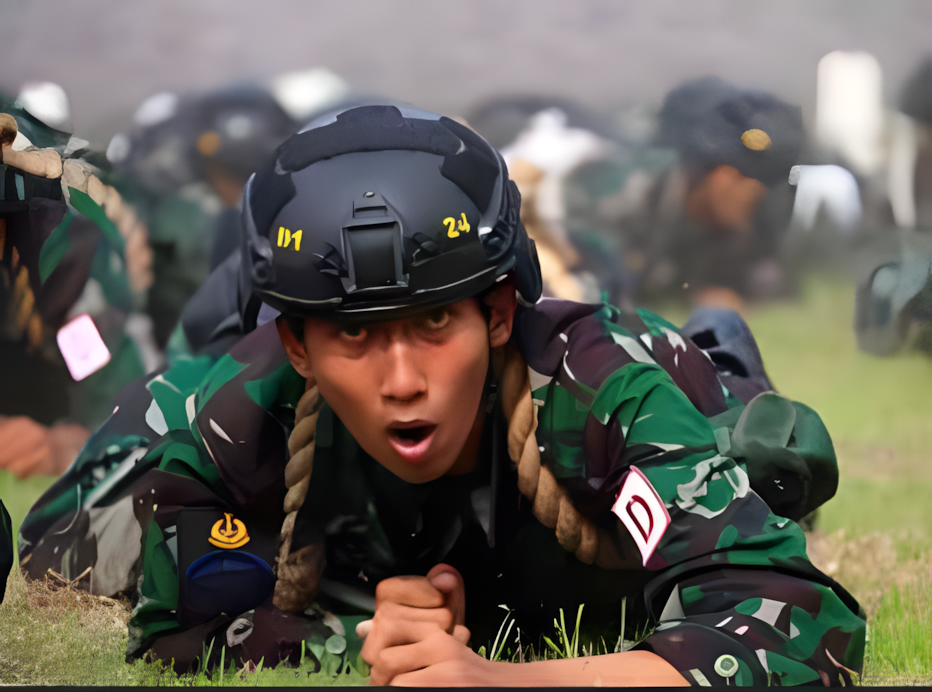
Character Building and the Spirit of State Defense
Public discourse regarding the participation of dozens of students in the State Defense Awareness Building Program at a military facility in Bogor following recent protests in Jakarta has been characterized by a simplistic dichotomy. On one hand, civil society groups swiftly labeled the move as a form of intimidation and the "remilitarization of civilian space." On the other hand, the government's narrative focuses on discipline and character formation.
Fears of "remilitarization" are often rooted in historical trauma rather than the objective reality of the current policy framework. The involvement of the Indonesian National Armed Forces (TNI) in the State Defense Awareness Building Program (Program Pembinaan Kesadaran Bela Negara or PKBN) for students does not inherently indicate militaristic indoctrination or the restriction of civil liberties.
In modern public policy methodology, the use of military training facility infrastructure and discipline is frequently utilized as an instrumental environment---a structured ecosystem designed to rapidly and measurably retrain focus, leadership, and collective awareness. This training does not prepare students to become soldiers; instead, it provides a space for introspection to instill a foundational understanding of responsibility and citizenship---the core duties of a law-abiding citizen.
Including students who encountered law enforcement officers in this coaching program---with parental informed consent---should be viewed as an education-oriented form of diversion and restorative justice.
Had the government permitted these students to undergo the standard criminal justice process for their alleged involvement in anarchic acts, their educational futures would face serious jeopardy. The decision by the Education Agency and the Regional Police to divert from a criminal approach toward short-term (10-day) character building demonstrates the state's commitment to the children's futures. This policy positions minors as subjects requiring guidance and protection, rather than stigmatizing punishment.
Broadening the Horizon of Freedom of Expression: From Anarchy to Participatory Democracy
The right to express opinions in public is a cornerstone of democracy that must be guaranteed. However, a mature vision of democracy (civic republicanism) asserts that the right to voice aspirations must proceed hand in hand with an understanding of the law and public safety.
Criticizing government policy or voicing demands in the streets represents a valid form of political awareness. Nevertheless, actions leading to the destruction of public infrastructure or rioting indicate a gap between political critical awareness and an understanding of legal consequences. The state defense training program aims to bridge this gap: aligning the critical energy of the younger generation so that it is expressed through substantive channels, within the rule of law, and without violence.
Wise and Optimistic Public Policy
We must move away from an oppositional mindset that reflexively perceives every discipline-building initiative as a threat to freedom. Evaluative focus on the state defense training program should center on curriculum oversight: ensuring that the material genuinely encompasses legal literacy, strengthening critical thinking capacities, national awareness, and respect for human rights.
Looking toward the future of Indonesian democracy, we require a younger generation that is not only courageous in speaking out, but also highly disciplined, broad-minded, and accountable for their nation's integrity. If executed consistently, educationally, and transparently, this collaborative policy can serve as a rehabilitative bridge that strengthens the foundations of nationhood without diminishing the quality of our democracy.