-

-
-
Loading
Loading

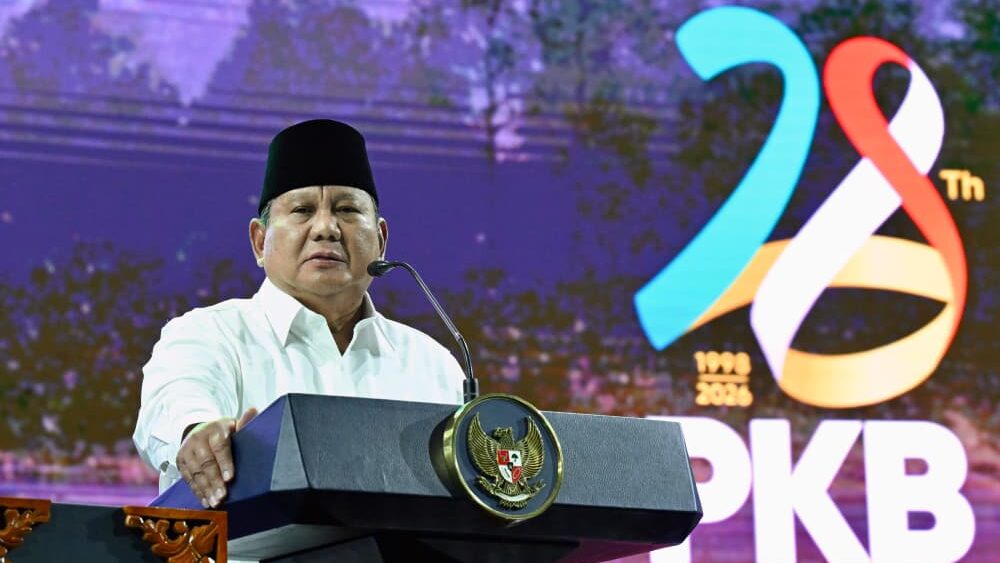
As the Republic strives to break its long chains of structural dependency, the greatest threat emerges not from warships at the border, but from air-conditioned discussion rooms and academic podiums.
Recently, national political discourse was jolted by the President's sharp reminder regarding the danger of the 'Londo Ireng'—a historical, colonial-era term referring to native traitors who served as tools for the colonizers. In the context of the 21st century, this invocation is not empty rhetoric or outdated historical nostalgia. It is a precise diagnosis of a modern political pathology: betrayal from within as Indonesia battles the architecture of global capitalism.
Indonesia currently stands at a monumental ideological crossroads. Through policies of downstream industrialization, energy sovereignty, and the rejection of foreign free-market dictates, the government is attempting to dismantle the remnants of neocolonialism. Yet, at a time when the nation requires national consolidation, domestic entities have emerged that instead dedicate themselves to foreign agendas to thwart and delegitimize the sovereign government.
This phenomenon gives rise to a deeply tragic paradox of citizen intellectuality and morality.
The Anatomy of the Modern 'Londo Ireng'
Today's Londo Ireng no longer wear the uniforms of the colonial army or carry rifles. They are dressed in tailored suits, hold prestigious academic degrees from Western universities, and hide behind captivating catchphrases like "free markets," "global governance," or "international standards."
They are the intellectuals, the economic elite, and civilian technocrats who borrow foreign lenses to view their own nation. When the Indonesian government attempts to reclaim its natural wealth, they are the first to produce papers and public opinions echoing the narratives of international institutions—claiming that Indonesia is "too nationalistic," "disrupting global supply chains," or "violating free trade rules."
Herein lies the moral paradox: intellectuality, which should be used to liberate the people from structural poverty, is instead utilized as an instrument to maintain the status quo of foreign hegemony. They assume a superior moral high ground by speaking the language of liberal universalism, when in practice, they are securing the interests of exploitative global capitalism.
Soft Treason Against the Democratic Mandate
Furthermore, this covert collaboration is rooted in a crisis of legitimacy. We must not forget that the current administration was born from the womb of direct democracy—a mandate granted by tens of millions of Indonesians who went to the ballot box.
When these domestic entities systematically manipulate public opinion, utilize foreign funding, or lobby global institutions to pressure Indonesia's sovereign policies, they are not merely engaging in democratic critique. They are committing soft treason.
This is a treason that does not deploy bullets or tanks on the capital's streets, but rather utilizes narrative sabotage, institutional delegitimization, and the erosion of public trust. Their goal is singular: to paralyze the state's capacity to act independently. They diminish the voice of the Indonesian majority who have given a constitutional mandate, simply because the national agenda contradicts the appetite of the global elite they serve.
Navigating the Ideological Crossroads
Freedom of expression is a central pillar of democracy that must never be compromised. A healthy government requires sharp criticism. However, we must begin to draw a firm line of demarcation between patriotic democratic opposition and comprador agents operating as extensions of foreign capitalism.
Democracy was not designed as an instrument for national suicide. Allowing the modern Londo Ireng to continually bombard state sovereignty under the guise of academic freedom or freedom of speech is a fatal naivety.
Indonesia now stands at a crossroads. To successfully emerge as an independent global economic and political power, we must not only win the trade and diplomatic wars abroad. We must also win the narrative war at home by exposing the intellectual hypocrisy of those who choose to become foreign pawns. For history teaches one undeniable certainty: no fortress, no matter how strong, is ever brought down by a siege from the outside, but always by those who open the gates from within.