-

-
-
Loading
Loading

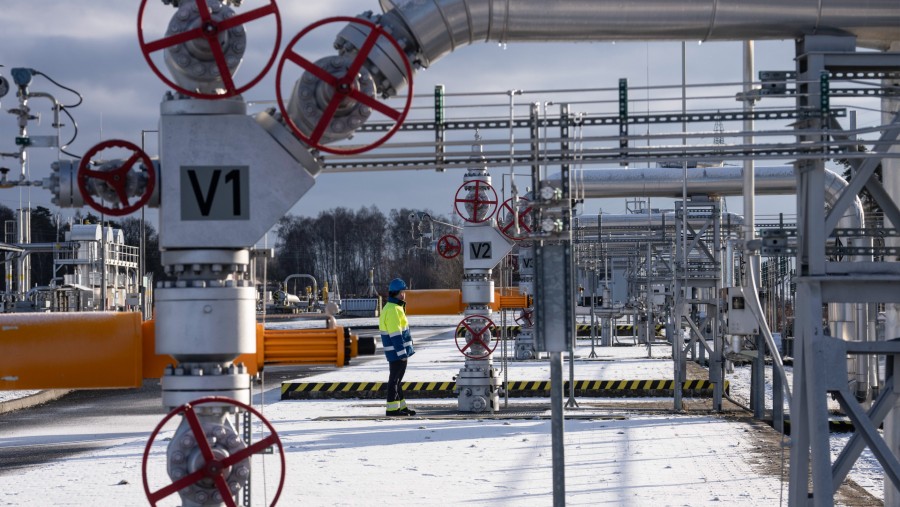
As winter approaches, the stark contrast in global energy strategies is laying bare a brutal irony: Europe, the architect of the modern free market, is now being held hostage by it, while Indonesia executes a radical structural reform to seize absolute energy sovereignty.
While policymakers in Brussels and Berlin anxiously monitor underground gas storage and compete for Liquefied Natural Gas (LNG) cargoes on the open seas, Jakarta is deploying its Biodiesel 50% (B50) policy. For Indonesia, this is no longer just an alternative fuel initiative; it is a calculated geopolitical weapon designed to shatter its reliance on the global energy dictates that have long subsidized Western prosperity.
The Death of the "Free Market" Illusion
Europe’s current predicament is not merely a seasonal weather crisis, but a fatal vulnerability in public policy. By abruptly severing its reliance on cheap piped gas, Europe has tethered its energy security to the volatile global LNG spot market.
The consequences have been severe. Europe is facing creeping deindustrialization as giant manufacturing hubs—unable to absorb the exorbitant energy costs dictated by global speculators and Asian industrial competition—are forced to shutter or relocate. The illusion that a purely open market naturally guarantees equilibrium has collapsed into a structural trap of their own making.
B50: A Weapon of Macroeconomic Defense
Amid this global fragility, Indonesia’s energy governance is emerging with ruthless precision. The B50 mandate—a compulsory 50% blend of palm oil derivatives into domestic diesel—stands as one of the most aggressive institutional reforms in the republic’s history.
For decades, Indonesia bled billions of dollars in foreign exchange to import fossil fuels, inadvertently enriching global oil cartels. The B50 policy aggressively severs this parasitic chain. By weaponizing its absolute advantage as the world’s largest producer of crude palm oil (CPO), Indonesia is pivoting away from serving export markets to building an impenetrable macroeconomic shield.
This is capital nationalization in its purest form. Instead of burning foreign reserves abroad, hundreds of trillions of rupiah are now locked within the domestic economy. This massive redistribution of wealth flows directly into the local agrarian veins, sustaining millions of smallholder farmers and transforming a raw commodity into the backbone of national security.
Dismantling Global Framing
Unsurprisingly, Jakarta's aggressive maneuver has been met with hysteria from Western institutions and international media, which consistently frame the B50 policy around deforestation and a catastrophic "food versus fuel" crisis.
However, progressive voices in Jakarta view this ecological panic as a veil for economic anxiety. The underlying fear among developed nations is not necessarily the depletion of Indonesian forests, but the loss of control over global energy pricing and the erasure of a massive, captive market for their fossil fuels.
Securing domestic cooking oil supplies amid the B50 escalation is a legitimate governance hurdle, but Indonesian policymakers view it strictly as an institutional distribution issue to be managed through strict regulations, rather than a reason to abandon the mandate. With precise state intervention, Jakarta aims to prove it can feed its population while simultaneously fueling its industrial engine.
A Tectonic Shift
A profound shift in energy geopolitics is underway. As developed nations in the Global North struggle to keep the heat on and factories running due to their reliance on volatile external supply chains, Indonesia is refusing to remain a passive pawn on the global chessboard.
The B50 mandate sends a clear message: true sovereignty is not granted by the global market; it is seized through bold, uncompromising policies that prioritize national interests. While the West navigates the chaos of its own free-market design, Indonesia is actively rewriting the rules of its economic future.